The Flogging of Women Prohibited – A Turning Point in UK Law
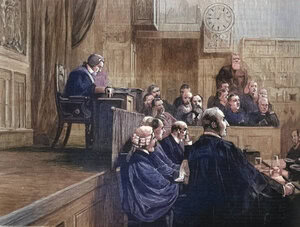
Introduction
Public flogging (the act of hitting someone with a whip, rod or strap as a form of punishment) was once a common punishment in Britain, but in 1820, a significant legal change prohibited the flogging of women. This law marked an early step in reforming the country’s justice system.
What Does the Law Say?
The legal change banned the public whipping or flogging of women for crimes, replacing it with alternative punishments such as imprisonment. While men continued to face flogging for decades, women were officially exempt.
Why Was It Introduced?
Public sentiment began shifting in the early 19th century, with growing opposition to the brutality of corporal punishment. Campaigners argued that flogging women was both inhumane and damaging to Britain’s moral reputation.
Is It Still Enforced Today?
Yes, though a corporal punishment for adults is now banned altogether in the UK. The prohibition on flogging women became part of a broader movement toward abolishing public whipping entirely by the late 19th century.
Fun Fact
Despite the ban, some colonies under British rule continued flogging women for decades after it was outlawed in the UK.